





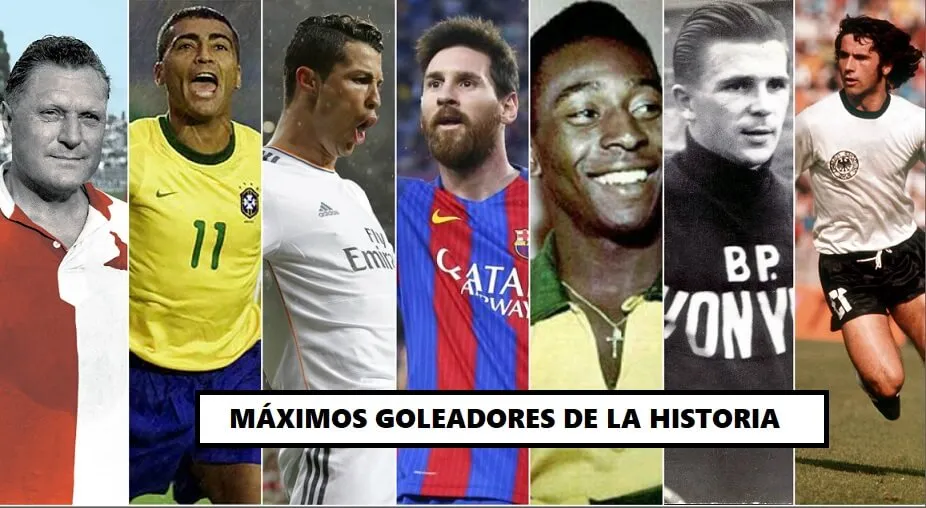
The goal is the most important event in football. It is the moment justifying the 90 minutes, filling stadiums, and turning an ordinary match into one people remember for decades. And the players who have scored more goals than anyone else in the history of the sport aren’t just statistics on a table: they are the summary of what football can become when an individual takes goalscoring talent to the highest level for many years.
But talking about the highest goalscorers in history implies a difficulty not existing in other sports: the comparison of eras. Twentieth-century records were built in leagues with fewer matches, heavier balls, pitches in worse conditions, and without the medical resources current players have to recover from injuries. Modern records are accumulated over longer seasons, with more competitions, but against rivals who have become professionalized like never before.
This list brings together the ten players with the most recognized official goals in football history, taking into account league, cup, international club tournament, and senior national team matches. Friendlies and youth matches are not counted.
💡 Methodological note: The data comes from organizations such as FIFA, IFFHS, and RSSSF, as well as historical archives of clubs and federations. The figures for historical players may vary depending on the source, especially in cases of incomplete documentation.
📋 Table of Contents
- Introduction
- The Top 10 Highest Goalscorers in History
- Goalscoring Trivia
- Sources and Methodology
- Conclusion
Introduction
Measuring who has scored the most goals in football history is an exercise requiring clear criteria to be established. Are only goals in official competition matches counted? Are those for national teams included? What happens with 20th-century players whose statistical documentation is incomplete?
The criteria we use in this list are those established by the IFFHS (International Federation of Football History & Statistics) and the RSSSF (Rec.Sport.Soccer Statistics Foundation): goals in domestic leagues, domestic cups, international club tournaments, and official senior national team matches are counted. Friendlies, youth matches, and preseason tours are not included.
With those criteria, the list is headed by two players who remain active at the time of writing this article, followed by legends from different eras proving that the obsession with the goal has been present in football since its earliest years of organized competition.
The Top 10 Highest Goalscorers in History
1. Cristiano Ronaldo — 895 goals 🇵🇹
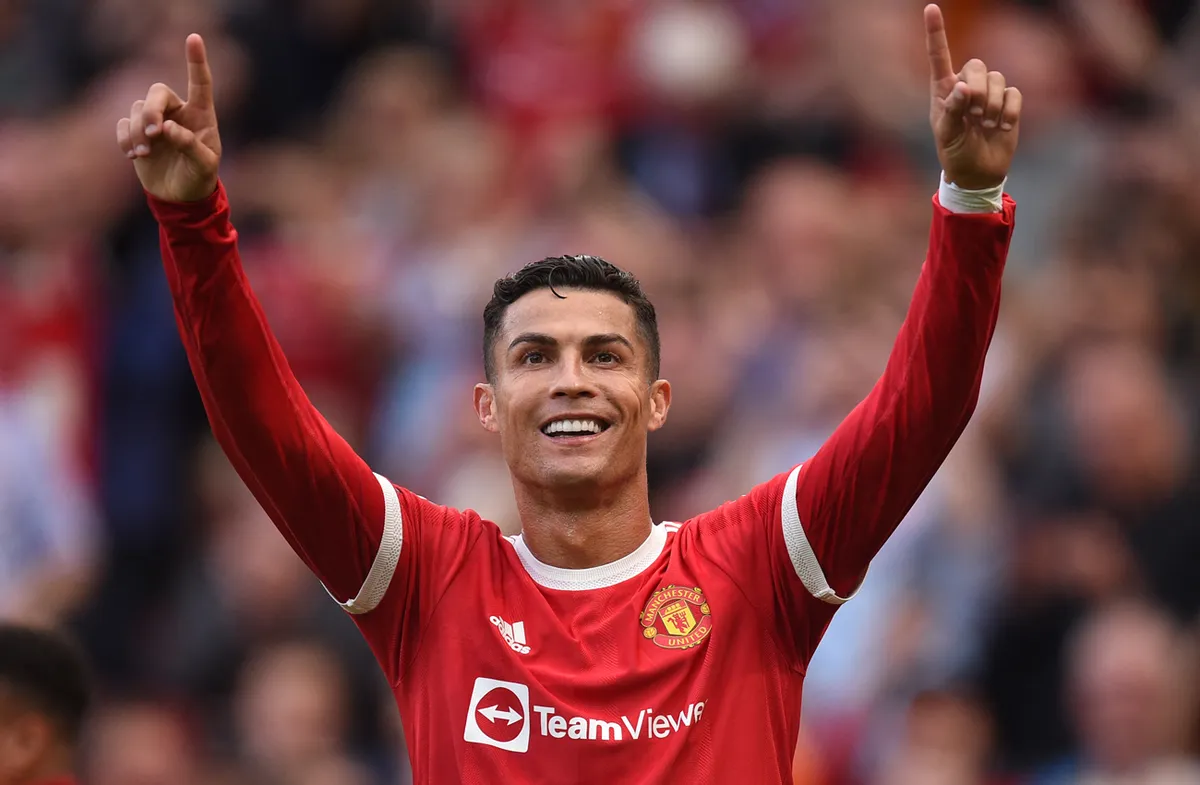
Clubs: Sporting CP, Manchester United, Real Madrid, Juventus, Al-Nassr National Team: Portugal — 154 goals in official matches Years Active: 2002-present
Cristiano Ronaldo is the highest goalscorer in football history with figures that twenty years ago would have seemed impossible. Surpassing 895 official goals in a career starting at Sporting Lisbon in 2002 and remaining active in Saudi Arabia is the result of a goalscoring consistency no other player in history has maintained for so long at the highest level.
His numbers at Real Madrid are the most striking of his career: 450 goals in 438 matches, an average greater than one per match. He is also the all-time top scorer in the Champions League, for the Portuguese national team, and in the European Championship. Every record he has broken in the history of national teams has been done with his name on it, turning the international goal into something nobody before had done with such regularity.
Ronaldo is also the first player to have scored in five different editions of the World Cup, a record reflecting a longevity going beyond what professional football typically generated.
2. Lionel Messi — 826 goals 🇦🇷
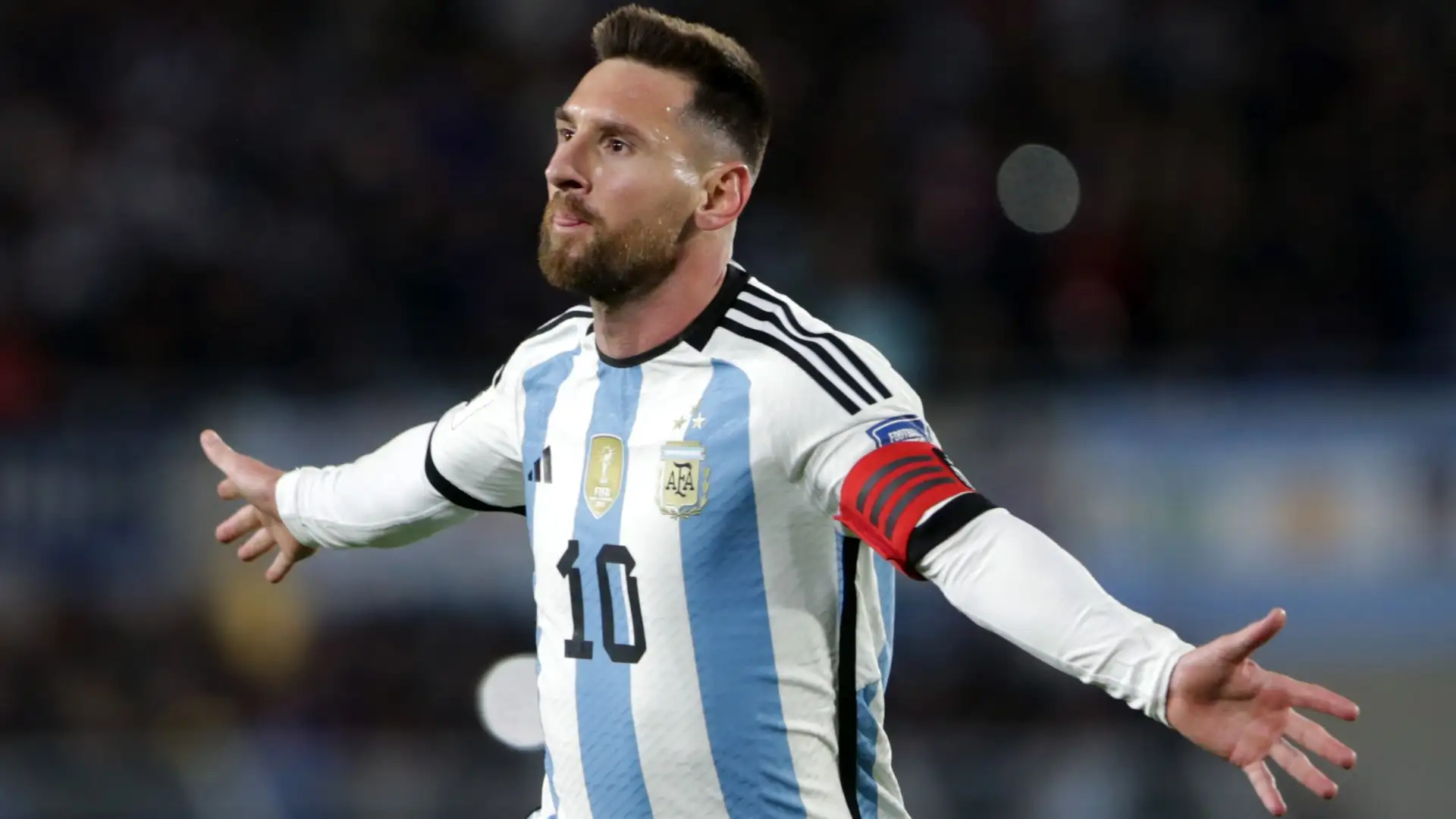
Clubs: FC Barcelona, Paris Saint-Germain, Inter Miami National Team: Argentina — 106 goals in official matches Years Active: 2004-present
Lionel Messi has spent decades being the perfect counterpoint to the debate over top goalscorers: while Ronaldo accumulates goals with almost mechanical efficiency, Messi scores them within a more complex playing context in which he also creates, links up, and orchestrates. The statistical result is similar, although the nature of the goals is often different.
His 474 goals in LaLiga with FC Barcelona are the absolute record in the history of a single league among the major European championships. His 8 Ballon d’Or awards reflect the perception of his contemporaries and experts who, year after year, chose him as the best player in the world for more than a decade.
The 2022 World Cup in Qatar and the 2021 Copa América completed the narrative of a career that was already the most decorated in individual football history. Messi isn’t just the second-highest goalscorer of all time: he is the player with the most assists in the history of club football, adding a dimension that goalscoring numbers alone do not capture.
3. Josef Bican — 759 goals 🇦🇹🇨🇿
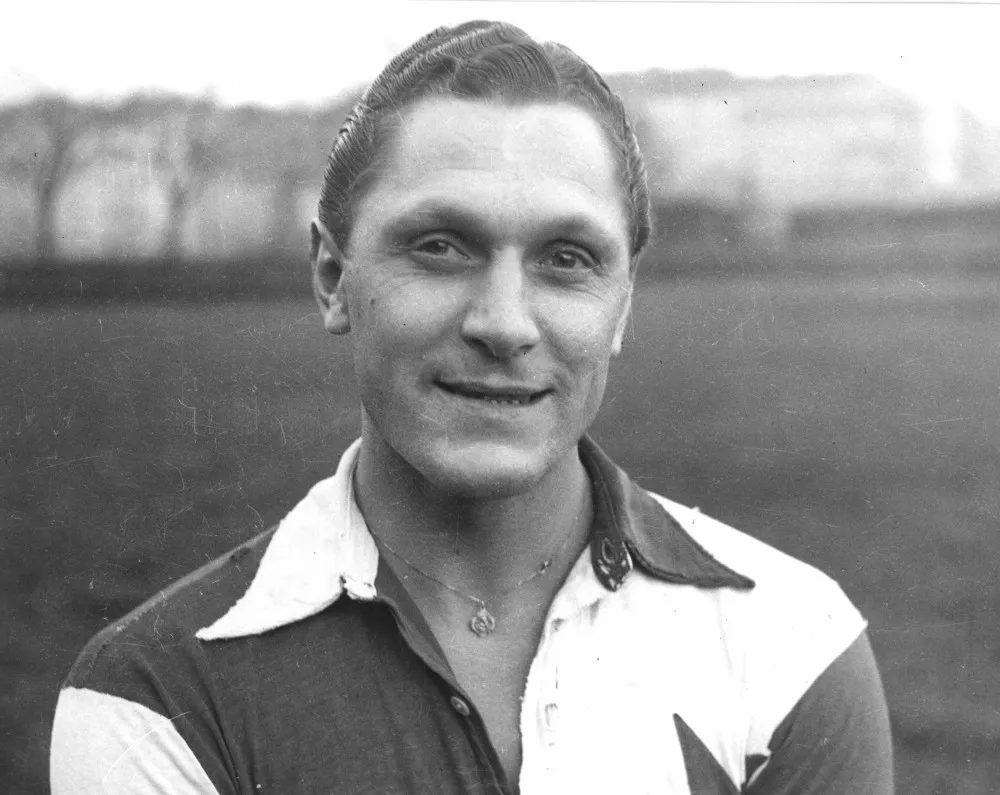
Clubs: Rapid Vienna, Slavia Prague, among others National Teams: Austria and Czechoslovakia Years Active: 1931-1955
Josef Bican is the most unknown name among the greats on this list outside the countries where he played, but his figures are extraordinary for any era. The Austrian-Czechoslovak striker averaged more than one goal per match for over two decades, in an era without television, without exhaustive statistical documentation, and with playing conditions making his performance even more remarkable.
The difficulty with Bican is verification: part of his goals come from club records and the Czech press of the thirties and forties, meaning some sources question the completeness of his figures. The RSSSF, which has been the most rigorous organization in studying his records, recognizes 759 official goals, placing him in third place all-time.
In his best season with Slavia Prague, Bican scored more than 50 goals in the Czech league, a record that in its historical context is as extraordinary as the records of Lewandowski or Messi in the modern era.
4. Pelé — 757 goals 🇧🇷
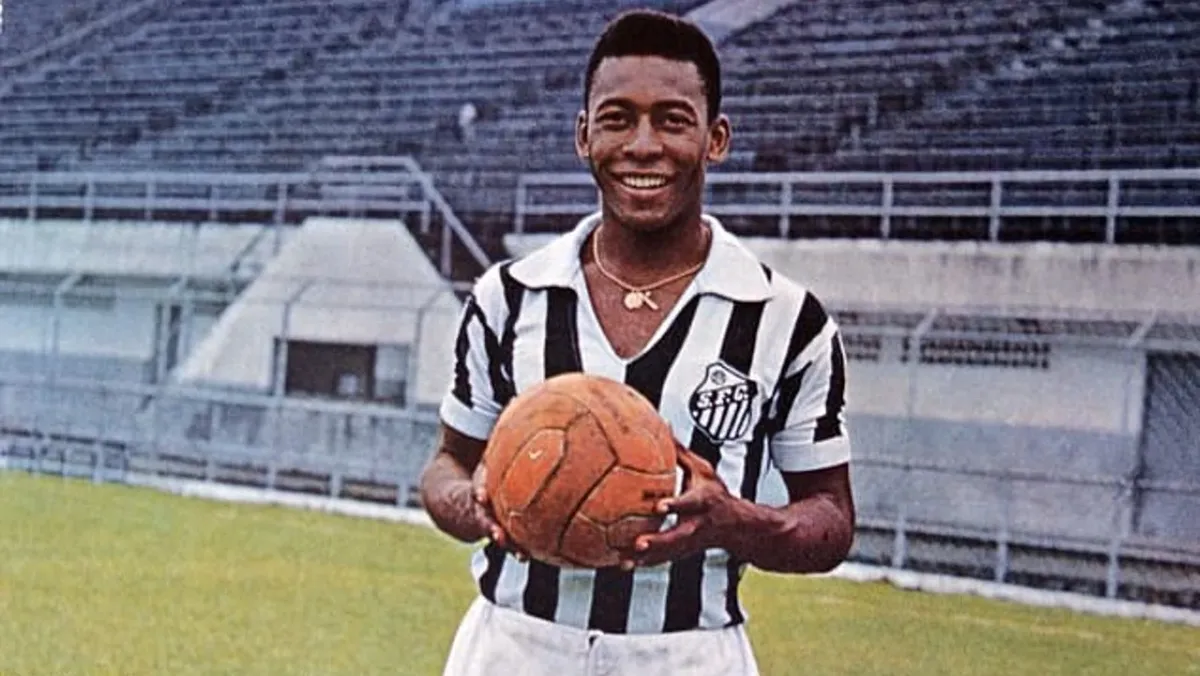
Clubs: Santos, New York Cosmos National Team: Brazil — 77 goals in official matches recognized by FIFA Years Active: 1956-1977
Pelé is the most debated case in the history of football’s goalscoring statistics. He himself stated on several occasions to have scored over 1,200 goals throughout his career, but that figure includes friendlies, international tours, and exhibition matches not part of official records.
With the criteria we use in this list—league, cup, and senior national team matches—Pelé accumulates 757 official goals, placing him in fourth position all-time. The vast majority of those goals were scored with Santos of São Paulo, the club where he played between 1956 and 1974 and which he turned into the most internationally renowned team in Brazilian football.
The three world titles (1958, 1962, and 1970), participation in the World Cup at 17 years old, and the ability to dominate South American football for almost two decades make Pelé a unique case going beyond any statistical debate.
5. Romário — 745 goals 🇧🇷
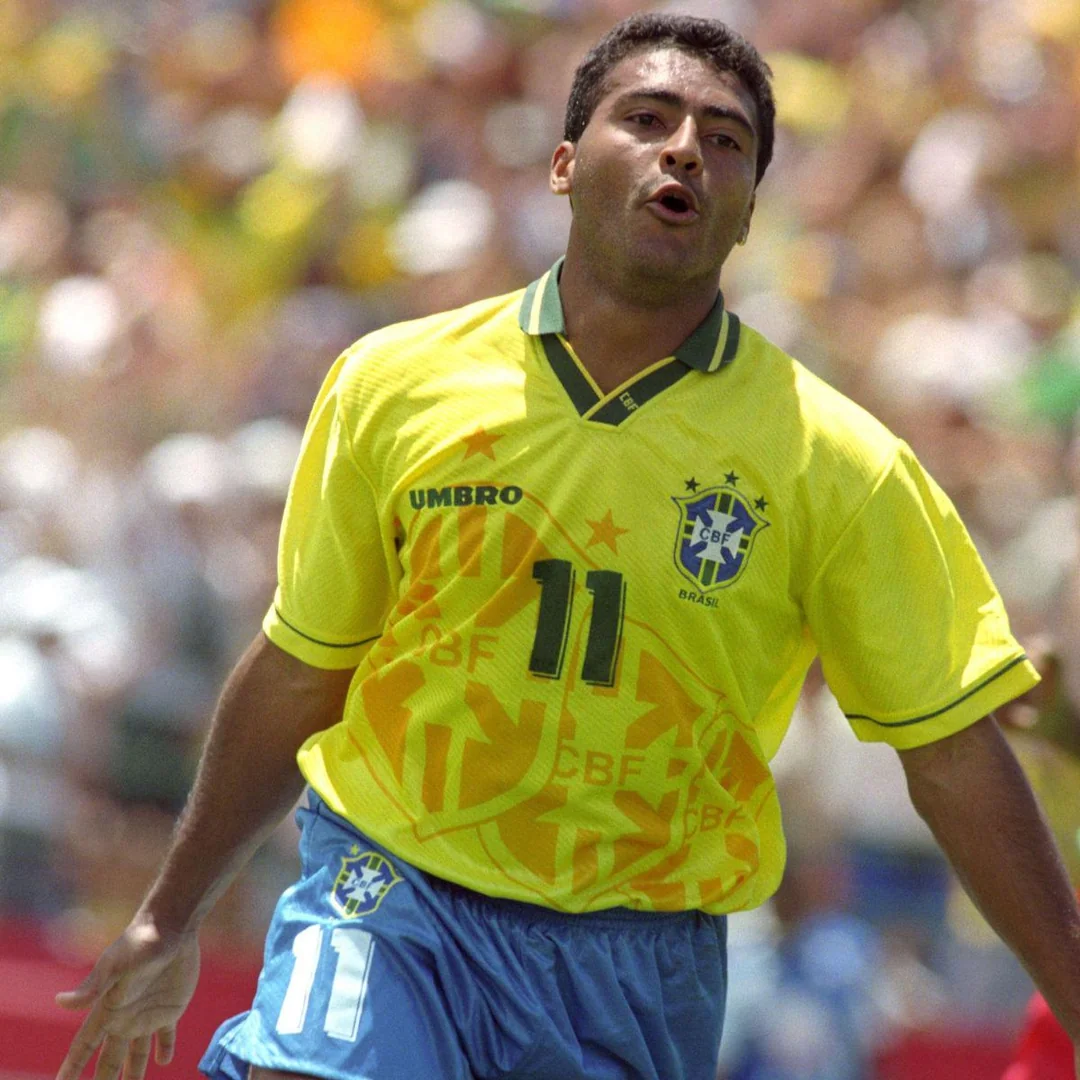
Clubs: PSV Eindhoven, FC Barcelona, Flamengo, Vasco da Gama, among others National Team: Brazil Years Active: 1985-2007
Romário publicly declared on numerous occasions that he had scored 1,000 goals throughout his career. Official records credit him with 745, which in itself is already an extraordinary figure for someone who played in leagues in various countries and in different eras of his career.
His positioning in the penalty area was almost supernatural: he knew before any rival where the ball was going to drop, when to jump, when to stay still, and when to shoot without almost having to think. He was the best forward of the 1994 World Cup—won by Brazil against Italy in the final—and was chosen as the best player of that tournament. His partnership with Bebeto in that team and the image of them both celebrating together rocking an imaginary baby are one of the most iconic moments in World Cup history.
6. Gerd Müller — 735 goals 🇩🇪
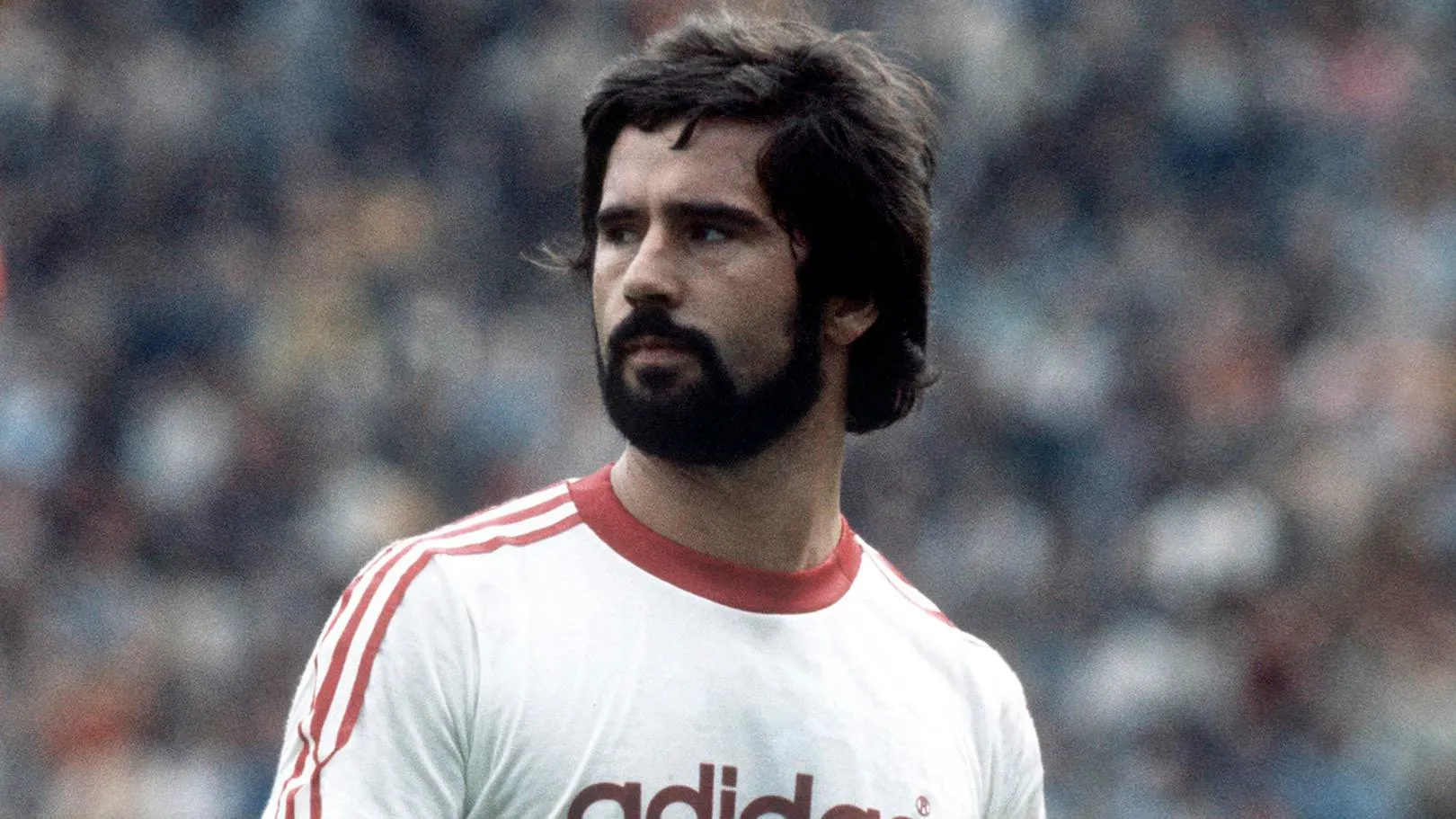
Clubs: Bayern Munich, Fort Lauderdale Strikers National Team: West Germany Years Active: 1963-1981
Gerd Müller, “Der Bomber der Nation”—the Nation’s Bomber—is the most efficient goalscorer per match on this entire list. With an average of 0.93 goals per match across his whole career, Müller rarely wasted a chance inside the box. He wasn’t the fastest, he didn’t do spectacular dribbles, he wasn’t the most technical. He simply was always where he needed to be, with the correct angle and the necessary calm to finish.
His 365 goals in the Bundesliga remain the all-time record for the German championship, and his mark of 40 goals in a single season stood for 49 years before being surpassed by Lewandowski in 2021. With the German national team, he was the top scorer of the 1970 World Cup and scored the decisive goal in the 1974 World Cup final giving Germany its second world title.
7. Ferenc Puskás — 704 goals 🇭🇺 🇪🇸
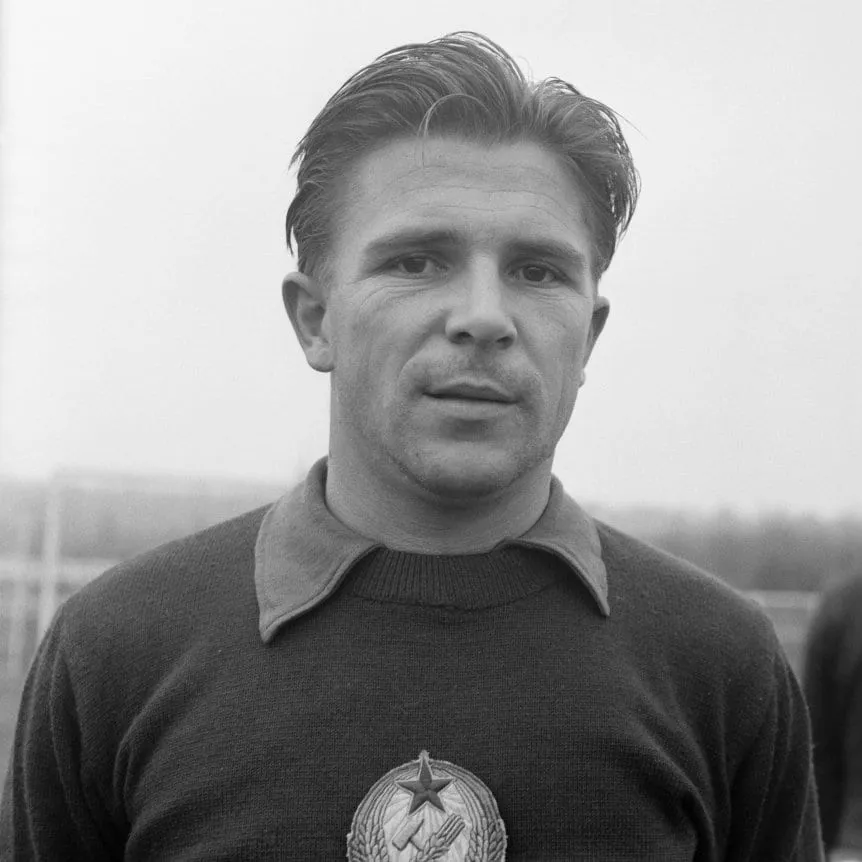
Clubs: Honvéd, Real Madrid National Teams: Hungary and Spain Years Active: 1943-1966
Ferenc Puskás had two careers in one: the first with Honvéd and the Hungary national team, considered in the fifties the best national team in the world; the second with Real Madrid, where he arrived at almost 30 years old and became one of the most decisive figures of the most dominant team in the European Cup in its first decade.
With Hungary, he played in the so-called “Golden Team” that won the 1952 Olympic Games and reached the final of the 1954 World Cup, where they lost to Germany in one of the biggest upsets in history. With Real Madrid, he won three European Cups and scored four goals in the 1960 Glasgow final—the match considered the most brilliant in the tournament’s history—where Madrid defeated Eintracht Frankfurt 7-3.
FIFA bears his name in the Puskás Award, given to the best goal of the year in the world. There is no better tribute for a player than transforming his surname into a synonym for a brilliant goal.
8. Robert Lewandowski — 695 goals 🇵🇱
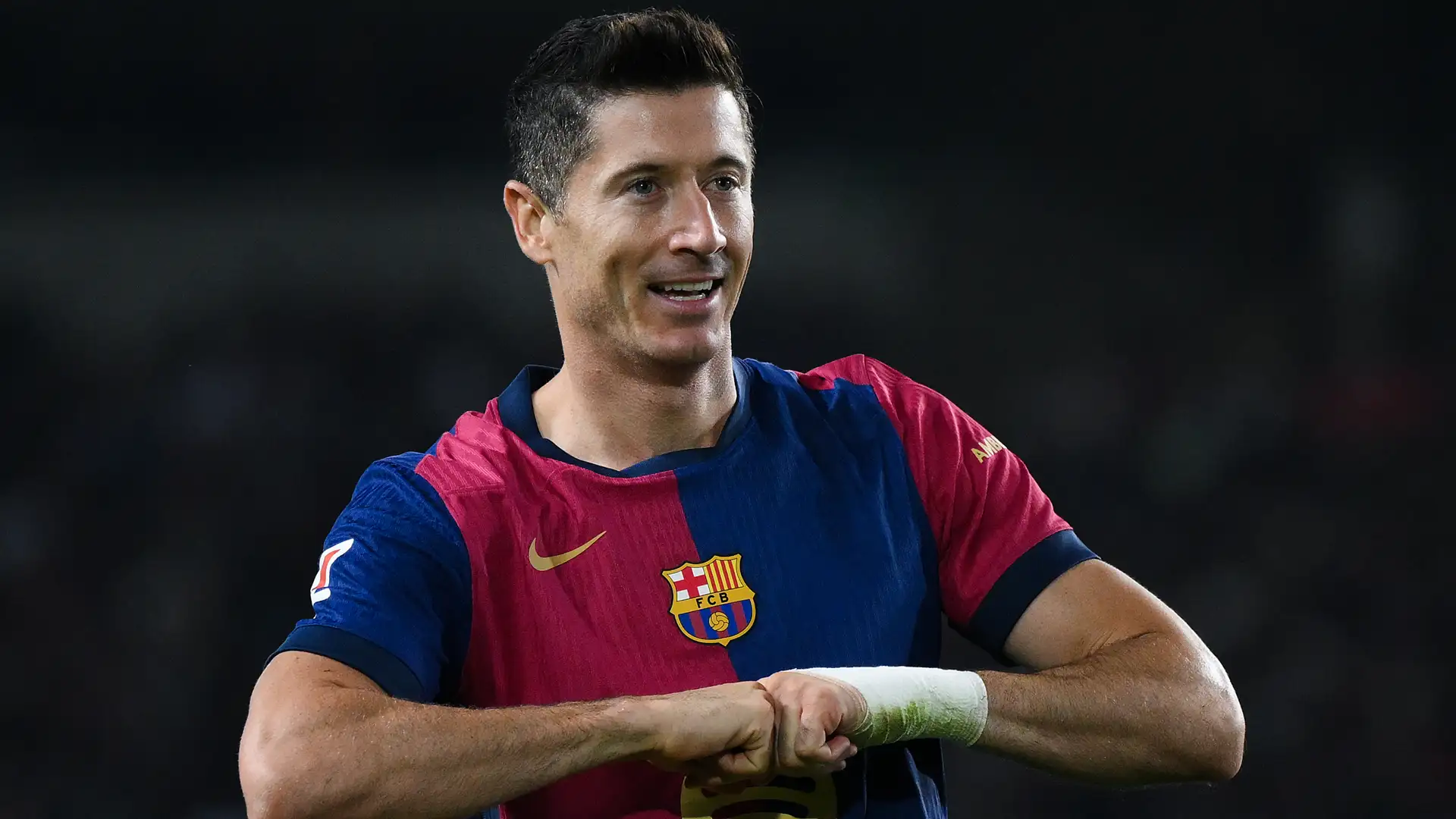
Clubs: Lech Poznań, Borussia Dortmund, Bayern Munich, FC Barcelona National Team: Poland Years Active: 2005-present
Robert Lewandowski is the best pure center forward of the 21st century after Messi and Ronaldo, and is the only one on this list who can be considered a statistical equal to the two greatest players of all time when it comes to goalscoring efficiency in major European tournaments.
His 2020-21 season with Bayern Munich was historic: 41 goals in 29 Bundesliga matches, surpassing Gerd Müller’s record that had lasted 49 years. A year earlier he had won the Champions League leading a Bayern side winning all its matches in the tournament, including the 8-2 thrashing of Barcelona. In the same match Bayern received the trophy, Lewandowski set a Guinness Record by scoring 5 goals in 9 minutes against Wolfsburg.
He currently competes for FC Barcelona, where he continues to accumulate goals in LaLiga at a pace keeping him as one of the most effective forwards in Europe.
9. Jimmy Jones — 647 goals
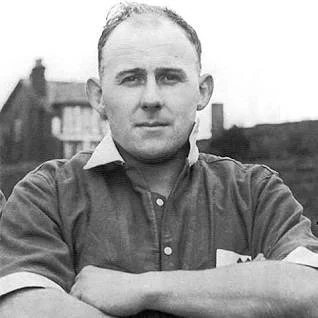
Clubs: Glenavon, Belfast Celtic National Team: Northern Ireland Years Active: 1946-1965
Jimmy Jones is the least known name on this list outside the British Isles, but his 647 official goals make him the all-time top scorer in the history of UK domestic leagues. He played most of his career at Glenavon, a Northern Irish club, and his extraordinary goalscoring record is built fundamentally on domestic leagues and cups.
The difficulty with Jones, as with other players from minor leagues in the mid-20th century, is that his records do not enjoy the same international visibility as those of players from continental clubs. But the archives of Northern Irish football are meticulous, and his figures have been verified by the RSSSF with sufficient rigor to include him in any serious historical list.
10. Eusébio — 621 goals 🇵🇹
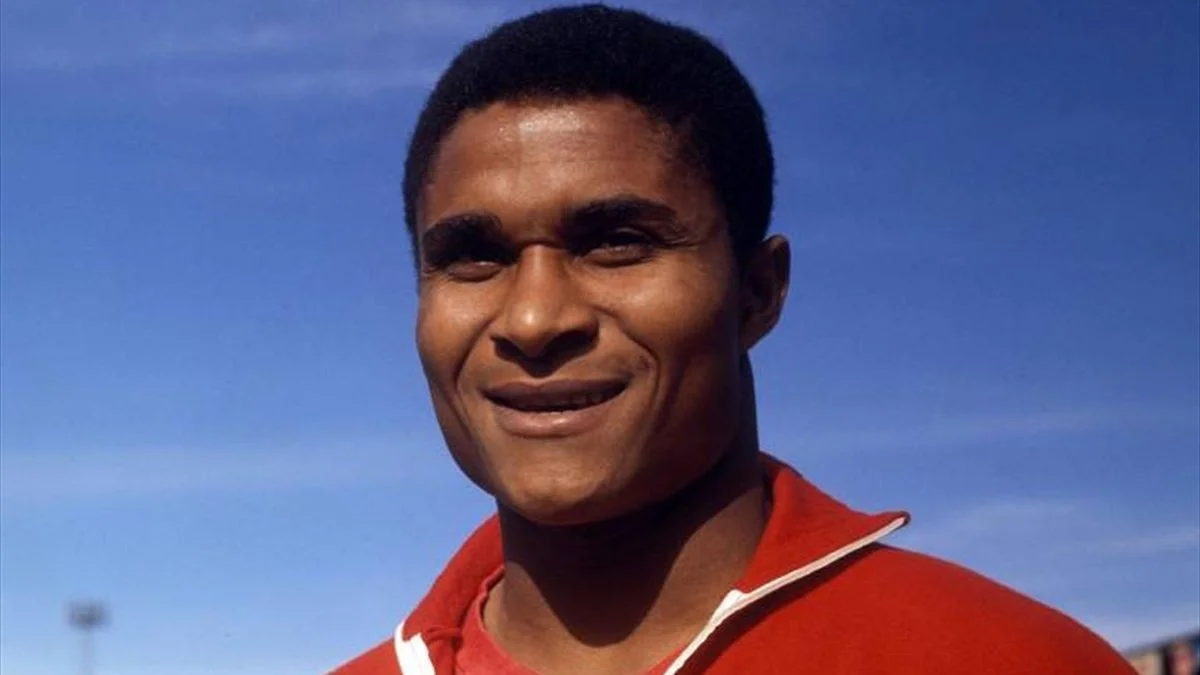
Clubs: Benfica and others National Team: Portugal Years Active: 1957-1979
Eusébio da Silva Ferreira, “The Black Panther,” is the greatest figure in the history of Portuguese football prior to Cristiano Ronaldo. Born in Mozambique when it was a Portuguese colony, he arrived at Benfica at 18 years old and became the club’s most decisive player for an entire decade, scoring 621 official goals in a career including two European Cups and multiple titles in the Portuguese league.
His best performance in a major tournament came in the 1966 World Cup in England, where he was chosen as the best player of the tournament and finished as top scorer with 9 goals, including 4 in a single match against North Korea in the quarterfinals—when Portugal came back from a 0-3 deficit on the scoreboard. Portugal reached the semifinals, the best result in their history up to that point, and Eusébio was primarily responsible for that achievement.
Goalscoring Trivia
-
Cristiano Ronaldo has scored in five different editions of the World Cup (2006, 2010, 2014, 2018, and 2022), a record no other outfield player has equaled in tournament history.
-
Lionel Messi is the top scorer in a single league in the history of the major European championships, with 474 goals in LaLiga. It is a record combining longevity with the level of competitiveness of the league where he performed best.
-
Gerd Müller averaged 0.93 goals per match across his entire professional career, the highest average among the players on this list. No forward in the history of European football has maintained that efficiency for so long.
-
Robert Lewandowski established a Guinness Record in 2015 by scoring 5 goals in 9 minutes against Wolfsburg. He entered the match at halftime with Bayern losing and ended up being the protagonist of a historic comeback.
-
Ferenc Puskás scored 84 goals in 85 matches with the Hungarian national team, one of the highest averages in the history of any national team. His efficiency with Hungary in the fifties contributed to that team being considered the best in the world for several years.
-
Eusébio was the first African-born player to be chosen as the best player of a World Cup, in 1966, when African national teams still did not have direct access to the final phase of the tournament.
Sources and Methodology
The data in this list comes from the following sources:
- FIFA — For senior national team goals in qualifying matches and official tournaments
- IFFHS (International Federation of Football History & Statistics) — For historical records and figure validation
- RSSSF (Rec.Sport.Soccer Statistics Foundation) — For 20th-century historical players whose documentation requires archival research
Only goals in official matches have been counted: domestic leagues, domestic cups, international club tournaments, and senior national team matches. Friendlies, preseason matches, reserve tournaments, and youth competitions are not included.
The figures for historical players like Bican, Romário, or Jones are subject to variations depending on the source consulted, given that statistical documentation from the forties and fifties is not always complete or uniform across different archives.
Conclusion
The ten players on this list represent more than eight decades of football and five different continents. What unites them is not just the quantity of goals—although that is enough to make them extraordinary—but their persistence: all of them maintained an exceptional goalscoring level for many years, in different teams, in different leagues, under different conditions, and against different rivals.
Comparing Cristiano Ronaldo with Gerd Müller or Messi with Pelé is an inevitable but imperfect exercise, because the football each of them experienced was so different that statistics only capture a part of what they were. What they do accurately capture is the scale of their achievements within their own historical context, and in that sense, everyone on this list is equally extraordinary.
The debate over who is the highest goalscorer of all time will probably never have a definitive answer. But as long as that debate exists, there will be reasons to keep talking about Ronaldo and Messi, about Pelé and Müller, about Puskás and Eusébio. And that conversation, in itself, is part of the legacy these players have built with every goal they scored.
📚 Recommended reading: