


Rules - Guess the Club

You will see a player and your goal is to select all the clubs he has played for in his career.



×
Games



You will see a player and your goal is to select all the clubs he has played for in his career.
Guess the Club is an interactive game where you must show how much you know about the career paths of different football players. In each round, you’ll see the name and image of a player, and your goal is to select all the clubs he has played for throughout his professional career.
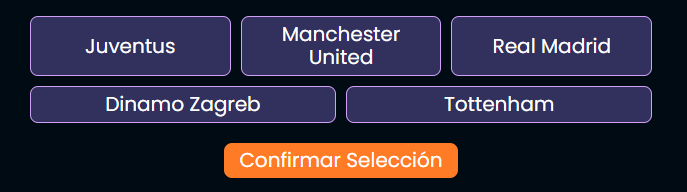
You’ll be shown several options for each player: some are correct clubs and others are just distractors (clubs he never played for). Select the crests you believe are true and then press the Confirm Selection button to validate your answer.
The daily challenge includes 5 players in total. At the bottom, you’ll see your progress and the points you’ve accumulated.
There are two game modes available:
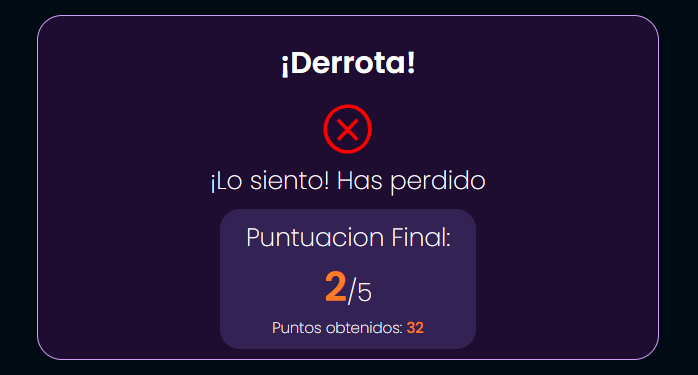
At the end of the 5 challenges, you will see your final score and how many answers you got right. It's a great way to discover surprising transfers you might have forgotten. Can you beat your previous record?
Good Luck!
Some players are famous for being 'journeymen', meaning they have played for an unusually high number of clubs. The Guinness World Record is held by the Uruguayan striker Sebastián Abreu ('El Loco'), who played for 32 different clubs in 11 countries during his 26-year career.
On the opposite side, we have the 'One-Club Men'. These are legendary players who spent their entire professional career at a single team, such as Paolo Maldini (AC Milan), Ryan Giggs (Manchester United), Carles Puyol (FC Barcelona), or Francesco Totti (AS Roma). In Guess the Club, finding a One-Club Man makes the round incredibly easy!
Transfer history can be very tricky because many top players have had brief loan spells early in their careers that are often forgotten. For example, before becoming a Tottenham and England legend, Harry Kane had loan spells at Leyton Orient, Millwall, Norwich City, and Leicester City.
The Bosman ruling in 1995 completely changed the transfer market, allowing players in the EU to move freely to another club at the end of their contract. This significantly increased the average number of clubs a modern footballer plays for during their career compared to players from the 80s or 90s.