





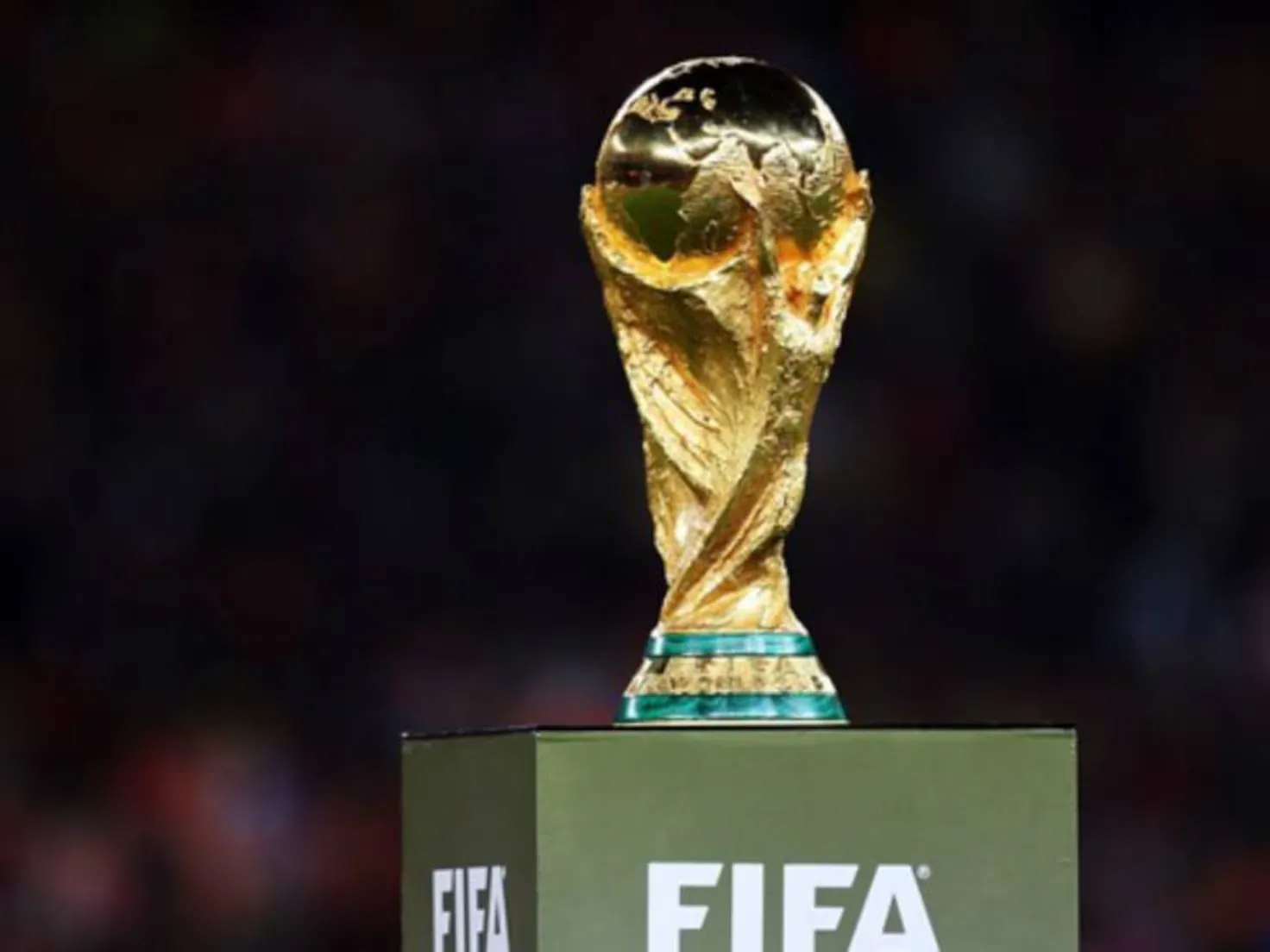
Every four years, the football world stops. League calendars are interrupted, players join their national teams, and for an entire month, the attention of billions of people focuses on a single tournament. The FIFA World Cup is the most-watched sporting event on the planet, ahead of the Olympic Games, ahead of the Super Bowl, and ahead of any club competition. The Qatar 2022 final was watched live by over 1.5 billion people.
The World Cup did not emerge from nowhere. It arose from the vision of Jules Rimet, FIFA president in the 1920s, who believed a national team tournament could surpass Olympic football in relevance and audience. He was wrong about the scale: it surpassed Olympic football, but also almost everything else sport has generated. What began in 1930 with thirteen teams and one stadium in Montevideo has become an event that in 2026 will feature 48 national teams and stadiums in three countries simultaneously.
In this article, we review the complete history of the World Cup: from its origins to the moments nobody has forgotten, passing through the records and the future of football’s biggest tournament.
📋 Table of Contents
- Origins and Creation of the World Cup
- Evolution of the Format
- The Historic Milestones that Defined the Tournament
- Most Successful National Teams
- World Cup Trivia
- Global Impact of the Tournament
- The Future of the World Cup
- Conclusion
Origins and Creation of the World Cup
The FIFA World Cup has its origin in a combination of factors converging in the late 1920s. Football had demonstrated its drawing power at the Olympic Games, where football tournaments were consistently the most attended. But Olympic football had a restriction limiting it: only amateur players could participate, excluding the sport’s biggest stars.
Jules Rimet, FIFA president since 1921, had spent years promoting the idea of an exclusive national team tournament without restrictions on the players’ professional status. The proposal met resistance within the organization itself, but was finally approved in 1928 during the FIFA Congress in Amsterdam.
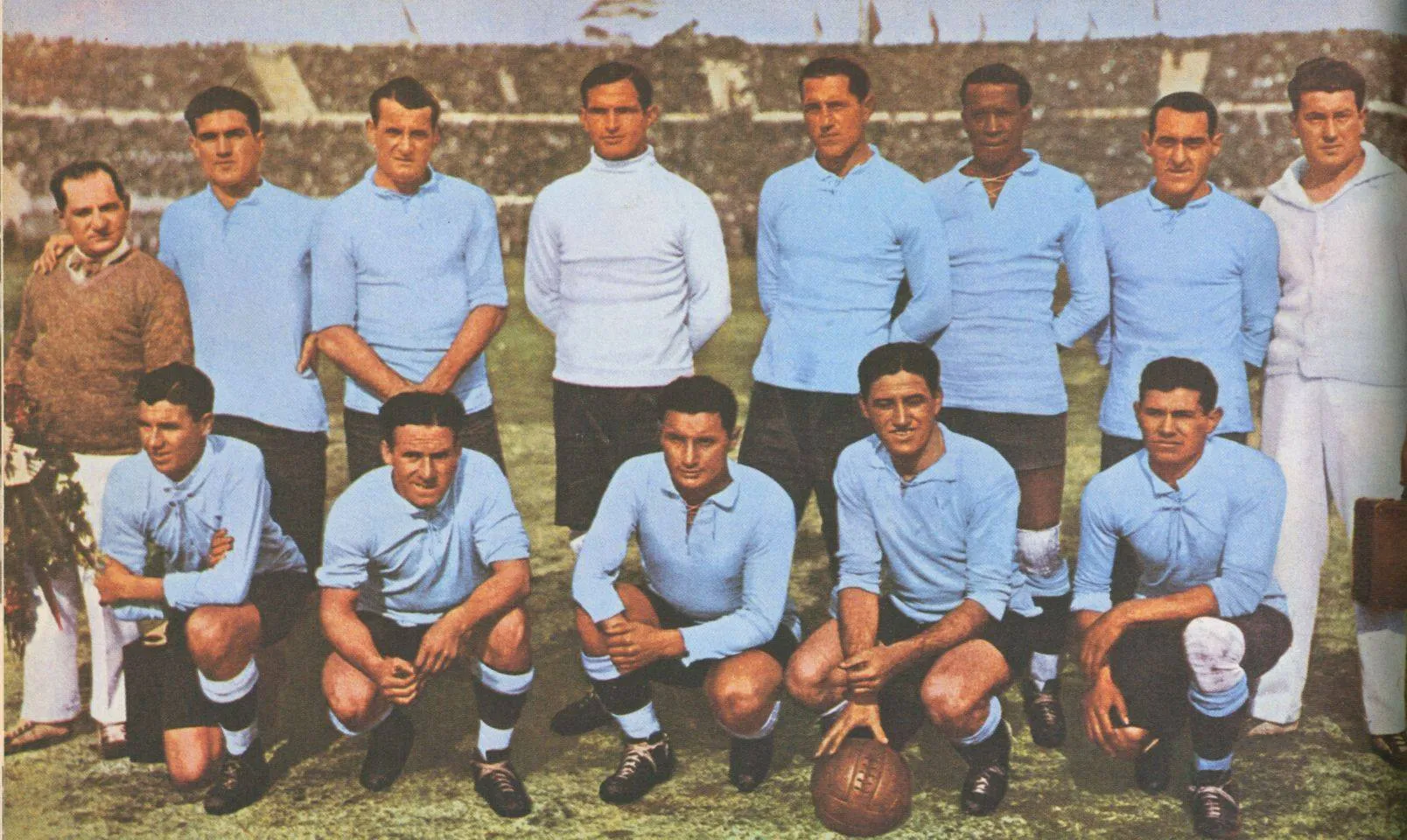
The choice of host for the first edition fell to Uruguay, for several reasons: the country was Olympic champion in 1924 and 1928, was celebrating the centenary of its independence in 1930, and committed to building a new stadium—the Estadio Centenario in Montevideo—and covering the travel and accommodation expenses of all participating teams. It was an offer FIFA could not refuse.
The 1930 tournament featured 13 national teams: Europe sent only four teams (France, Belgium, Yugoslavia, and Romania), as the boat trip across the Atlantic deterred many federations. The rest came from South America, Central America, and North America. Uruguay won the final against Argentina 4-2, becoming the first world champion.
Evolution of the Format
The World Cup has changed its format on multiple occasions since its first edition:
1930-1938: The Beginnings. The first three editions were played with between 13 and 16 teams in a straight knockout format with a small group stage in the first round. Europe and South America dominated absolutely: the first European World Cup was Italy 1934, where the hosts won the title with a team that also took the 1938 World Cup in France.
1950: The Return After the War. The tournament was suspended in 1942 and 1946 due to the Second World War. When it returned in Brazil 1950, it did so with an experimental final group stage between the four qualifiers—without a final per se—leading to the famous Maracanazo: Uruguay beat Brazil in the decisive match before 200,000 spectators at the Maracanã, in what is still considered today the most traumatic result in the history of Brazilian football.
1954-1978: The Group Format and Expansion. During this era, the group stage followed by direct knockouts was consolidated, with participation gradually growing as more national teams from Africa, Asia, and Oceania accessed the tournament.
1982: The Expansion to 24 Teams. Spain 1982 marked a significant leap in the number of participants, introducing a second group stage that was eventually eliminated in later editions due to a lack of excitement.
1998: The Modern 32-Team Format. France 1998 established the format that would remain for seven consecutive editions: 32 national teams in eight groups of four, with the top two from each group advancing to the round of 16 and direct knockout from there to the final. It is the format most current fans know as the World Cup standard.
2026: The Expansion to 48 Teams. The World Cup in the United States, Mexico, and Canada will be the first to feature 48 national teams, organized into 12 groups of four teams with two qualifying per group plus the eight best third-placed teams advancing to the next round.
The Historic Milestones that Defined the Tournament
1950 — The Maracanazo: The Biggest Upset in History
If there is a match in football history defining the sport’s capacity to produce the improbable, it is Uruguay 2-1 Brazil on July 16, 1950 at the Maracanã. Brazil arrived at the final match of the final stage with a team many considered the best in the world, before a stadium of 200,000 spectators already singing victory. Uruguay, with an extraordinary tactical and psychological performance, won with goals from Schiaffino and Ghiggia. The silence falling over the world’s largest stadium at the end of the match is one of the most remembered moments in sports history.
1958 — Pelé and the Birth of a Legend
The 1958 World Cup in Sweden was the tournament where Pelé, at 17 years old, introduced himself to the world with a performance nobody had ever seen before in a competition of that level. He scored in the quarterfinals, in the semifinals, and scored two goals in the final against the hosts, becoming the youngest player to score in a World Cup final. His crying at the end of the match—a teenager who had just won the most important tournament in the world—is one of the most iconic sports images of the 20th century.
1970 — Brazil and Total Football
The Brazil of Mexico 1970 is the team most football fans and analysts cite when discussing the greatest team to ever exist in World Cup history. With Pelé, Jairzinho, Tostão, Rivellino, and Gérson, the Canarinha won all their matches with fluid, creative, and attacking football seemingly different from anything seen before. Pelé’s headed goal in the semifinal—headed before the ball crossed the line—and Carlos Alberto’s goal in the final from a passing move are two of the most celebrated moments in tournament history.
1986 — Maradona and the Match of His Life
The quarterfinal between Argentina and England in Mexico 1986 concentrates in 90 minutes all the controversy and greatness characterizing Diego Maradona’s career. In the first half, he scored with his hand—the goal he himself described as “the hand of God”—and in the second, he produced the Goal of the Century: he picked up the ball in his own half, beat five opponents and the goalkeeper in 11 seconds, and scored the goal most voted as the best in history in a FIFA poll. Argentina won the World Cup, Maradona was the player of the tournament, and that match remained the most talked-about in competition history.
2014 — Germany’s 7-1 Against Brazil
No fan watching the Brazil 2014 World Cup semifinal between the hosts and Germany live will forget what happened in that match. Germany scored five goals in the first 29 minutes, went to halftime winning 5-0, and finished the match with a 7-1 that is the most lopsided result in World Cup semifinal history. The “Mineirazo”—as the match was called, in reference to the Mineirão stadium where it was played—was so traumatic for Brazil that it was the equivalent of the 1950 Maracanazo in terms of emotional impact on Brazilian football.
2022 — Messi, Argentina, and the Most Epic Final
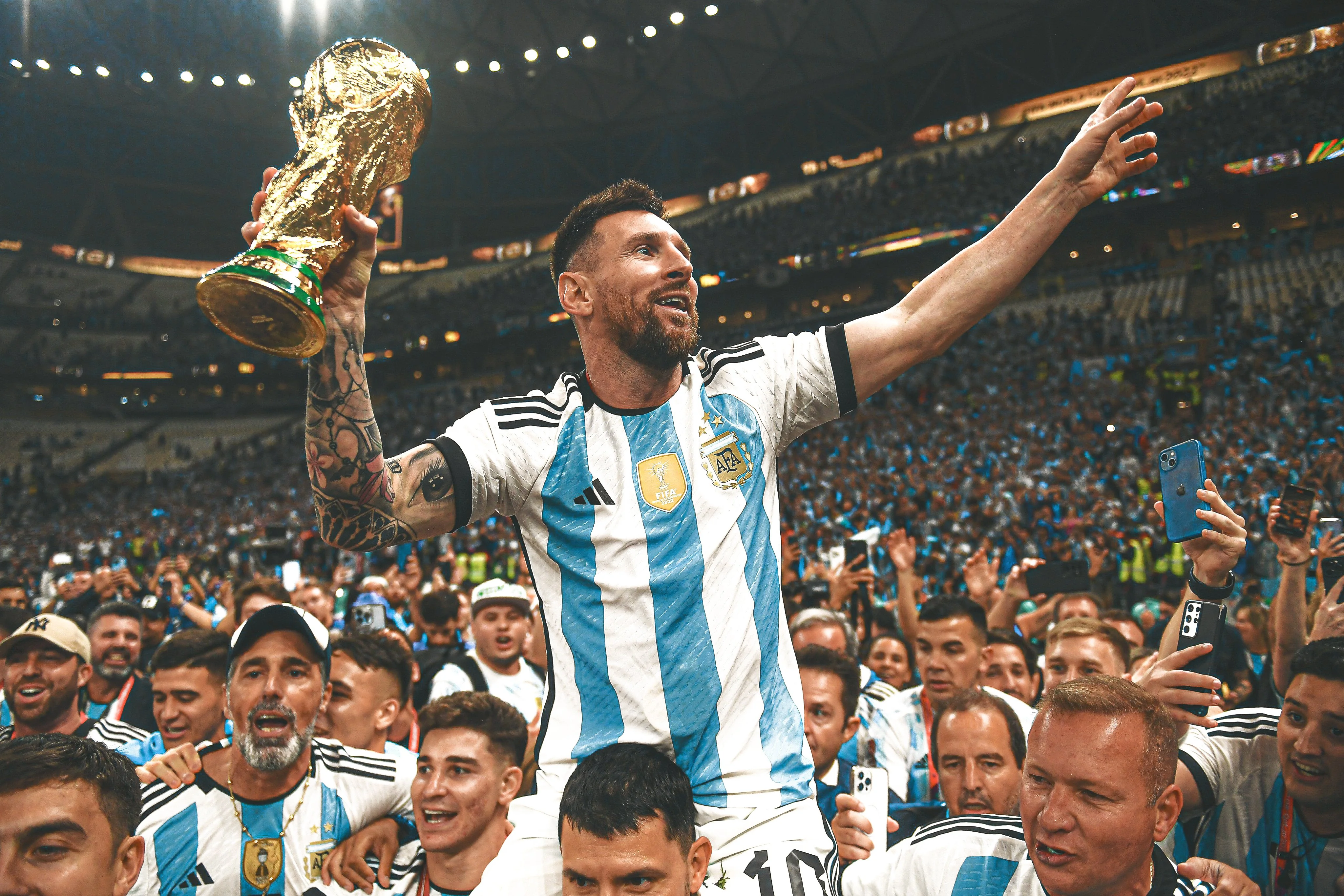
The Qatar 2022 World Cup final between Argentina and France was arguably the greatest match in World Cup history from the standpoint of drama and intensity. Argentina was winning 2-0 with ten minutes remaining; France came back to 2-2 in the final minutes of regular time—with Mbappe scoring two goals in four minutes—; Messi made it 3-2 in extra time; France equalized again; and Argentina won in the penalty shootout. Lionel Messi lifted the only title missing from his career, completing the most decorated legacy in individual football history.
Most Successful National Teams
By Number of Titles
| National Team | Titles | Years |
|---|---|---|
| 🇧🇷 Brazil | 5 | 1958, 1962, 1970, 1994, 2002 |
| 🇩🇪 Germany | 4 | 1954, 1974, 1990, 2014 |
| 🇮🇹 Italy | 4 | 1934, 1938, 1982, 2006 |
| 🇦🇷 Argentina | 3 | 1978, 1986, 2022 |
| 🇫🇷 France | 2 | 1998, 2018 |
| 🇺🇾 Uruguay | 2 | 1930, 1950 |
| 🇪🇸 Spain | 1 | 2010 |
| 🏴 England | 1 | 1966 |
Brazil is the only national team with five world titles and the only one to have participated in every edition of the World Cup from 1930 to the present. Their dominance between 1958 and 1970—three titles in four editions—is the most brilliant cycle any national team has had in tournament history.
By Number of Finals Played
| National Team | Finals |
|---|---|
| 🇩🇪 Germany | 8 |
| 🇧🇷 Brazil | 7 |
| 🇦🇷 Argentina | 6 |
| 🇮🇹 Italy | 6 |
| 🇫🇷 France | 4 |
Germany is the national team to have played the most finals in World Cup history, with eight appearances in the decisive match. Their ability to always reach the later rounds—regardless of the individual quality of each generation—is the most characteristic feature of German football in competition history.
World Cup Trivia
-
Pelé is the only player in football history to have won three World Cups with a single national team. Nobody else has reached two with the same country in the modern era of the tournament.
-
Miroslav Klose is the all-time top scorer in World Cups with 16 goals across four editions (2002, 2006, 2010, and 2014). The German surpassed Ronaldo Nazário’s record at the 2014 Brazil World Cup, precisely in the former record holder’s country.
-
The Qatar 2022 final between Argentina and France was the most watched in sports television history, with over 1.5 billion viewers following the match live. It is also considered the greatest final in tournament history by most analysts.
-
The official match ball of the World Cup changes in each edition. The Telstar (1970) is considered the most iconic for its black and white design that became the visual symbol of football globally. The Jabulani from South Africa 2010 was the most criticized for its unpredictable behavior making shots difficult for goalkeepers and players. The Al Rihla from Qatar 2022 was the fastest in tournament history, designed to achieve higher speeds on shots.
-
The record attendance at a World Cup match was approximately 199,854 spectators at the 1950 Brazil-Uruguay match at the Maracanã, considered at the time the largest stadium in the world. It is the attendance record for any football match in history.
Global Impact of the Tournament
The World Cup has an economic impact going far beyond football. Host countries invest for years preparing their bid—stadiums, transport infrastructure, hotels, security—with the expectation of recovering that investment through tourism, media coverage, and the image effect on the country.
Economic results have been varied. Germany 2006 and France 1998 are considered successful examples of organization with a positive balance. South Africa 2010 was the first African World Cup and generated an extraordinary image impact for the continent, although the costs of building new stadiums in a country with limited infrastructure were high. Qatar 2022 was the most expensive World Cup in history, with an estimated investment exceeding $200 billion in infrastructure during the twelve years prior to the tournament.
The tournament also generates debates about its social costs: the displacement of communities to build stadiums, the labor conditions of workers in countries like Qatar, the environmental impact of construction and international flights, and the question of whether long-term economic benefits justify the investments made are discussions accompanying every World Cup bid.
The Future of the World Cup
The 2026 World Cup, jointly hosted by the United States, Mexico, and Canada, will be the largest in history in terms of participants: 48 national teams instead of the current 32. The expanded format will include a first round with 12 groups of four teams, from which the top two and the eight best third-placed teams will advance—a total of 32 teams for the knockout stage—which in practice adds a full round to the tournament.
The debate over expansion divides experts. Proponents argue that including more national teams from Africa, Asia, and Oceania helps globalize football and provides opportunities to countries historically having little representation in the tournament. Critics point out that the difference in level between elite teams and weaker ones can generate many matches with lopsided results and little competitive interest in the first round.
What is certain is that the 2026 World Cup in North America will have a massive impact on football development in that market. The United States hosts the World Cup for the second time—after 1994—in a country where football has grown enormously over the last thirty years, with an established MLS and a generation of players competing in Europe’s best clubs.
Conclusion
The FIFA World Cup has been the tournament defining generations, creating heroes overnight, and producing moments the entire world remembers decades later for almost a hundred years. The 1950 Maracanazo, Maradona’s Goal of the Century in 1986, Pelé’s tears in 1958, Germany’s 7-1 over Brazil in 2014, the Qatar 2022 final: these are moments transcending football and forming part of the collective memory of 20th and 21st-century popular culture.
What makes the World Cup different from any other tournament is not just the footballing quality—which is very high, although not always the highest on the planet—but the emotional scale. Because in the World Cup, it’s not just footballers competing: it’s countries competing with all their history, identity, and pride. And that makes every match, especially in the knockout rounds, something no league or club tournament can replicate.
The tournament will continue to grow, will continue to generate debates, and will continue to produce moments no screenwriter would have dared to write. Because that is precisely the reason why billions of people have been stopping the world every four years to watch it for almost a century.